
Jeep Parts Guide: OEM Vs. Aftermarket Explained
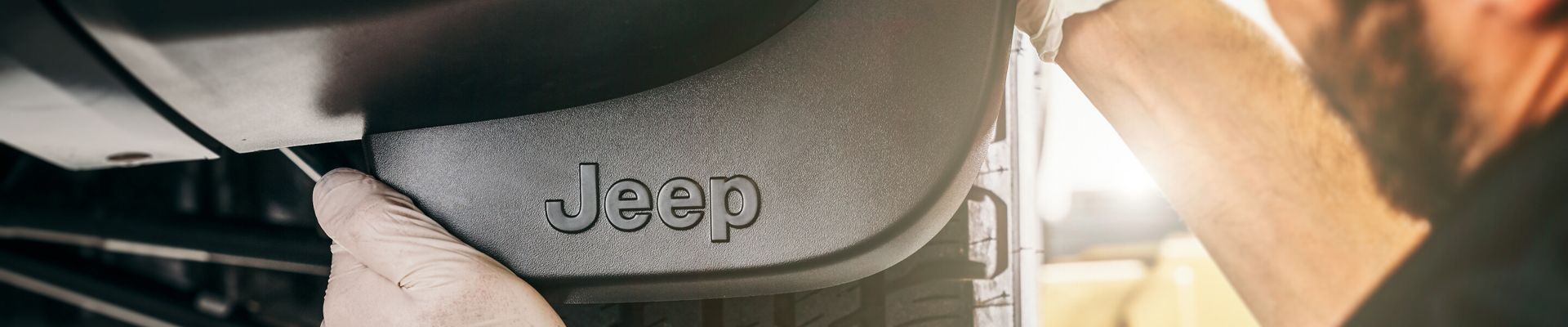
When you have to make repairs on your trusty, durable Jeep SUV or truck, knowing the difference between OEM vs. aftermarket Jeep parts can keep you safe from a frustrating repair situation. "OEM" stands for "Original Equipment Manufacturer." While a non-OEM component from a third-party store might seem to do a similar job of fixing your Jeep Wrangler as an official Mopar OEM component, the truth is that genuine parts are the better way to go. Let's explore why you should shop for Jeep-licensed components or add-ons if you want the best repair or upgrade fit.
Jeep OEM Vs. Aftermarket Parts
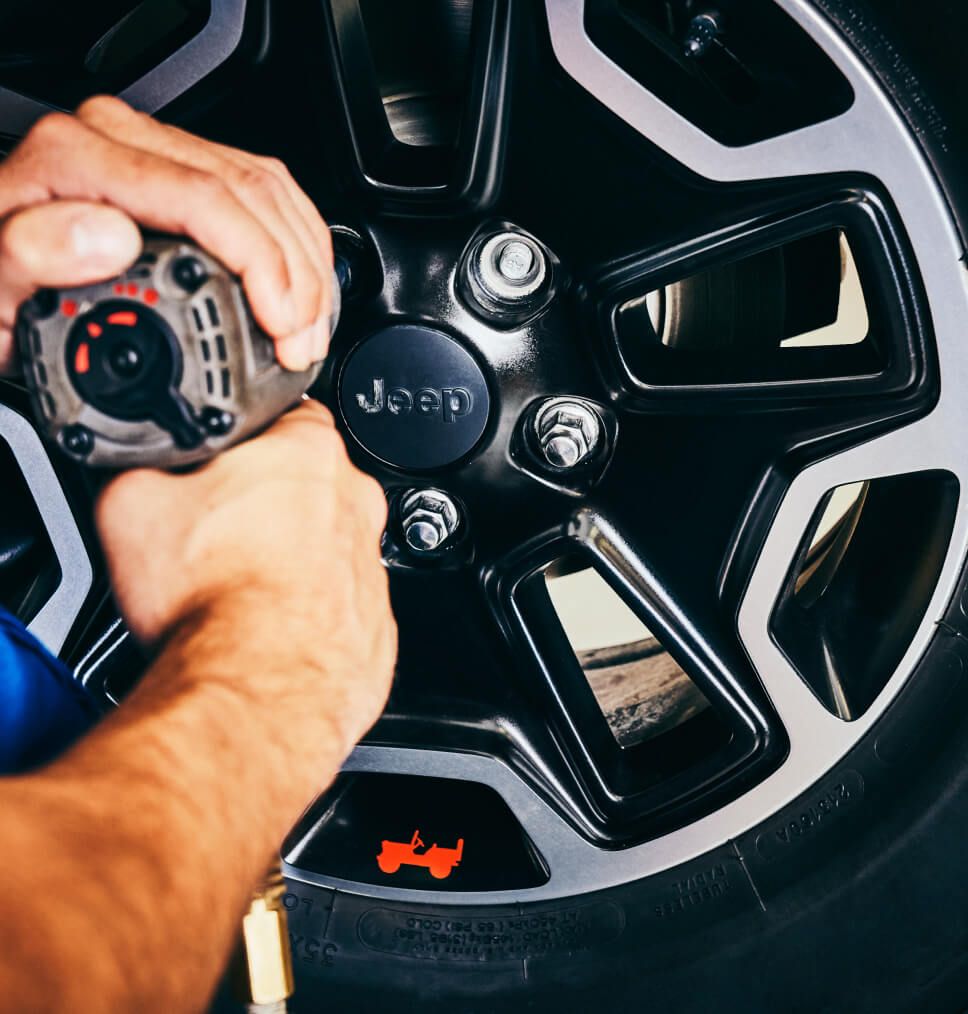
- Jeep-licensed parts are designed to perfectly fit your SUV or truck, maximizing lifespan and reducing wear.
- While aftermarket components seem less expensive on the surface, they are almost always made from cheaper materials that are more likely to need replacement.
- Meanwhile, if you notice your OEM item malfunctioning due to labor or a factory defect, you're often covered by a two-year warranty.1
- This goes for both internal components and add-ons, like roof racks: Aftermarket parts (usually) work while OEM parts excel.
OEM vs. Aftermarket Parts: Effectiveness
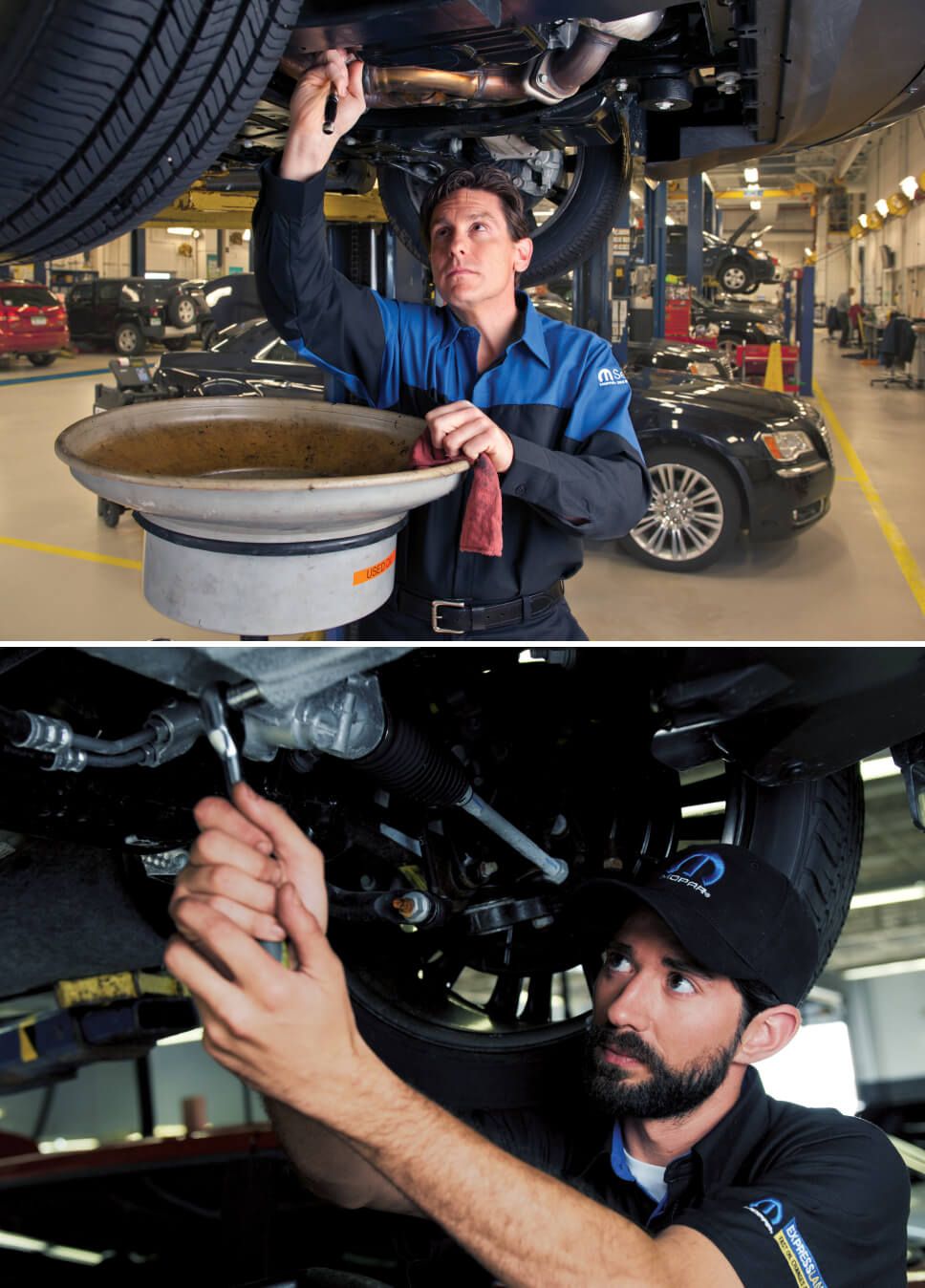
Perhaps the most obvious advantage of going with an OEM component or add-on is how effective it is. Aftermarket parts promise to fit your Jeep SUV or truck, and they usually do a decent job repairing the immediate issue. However, over the course of the next few years, that part is significantly more likely to suffer wear – or damage your other components – since it's designed to fit multiple vehicles.
You want your shocks and struts to be perfect fits for your Jeep model, right? Obtaining these essential stability components from a third-party source exposes you to uncertain quality or cheaper materials. When you instead shop for Mopar OEM components, you get the same elements that were put into your Jeep Cherokee, Jeep Compass, or Jeep Renegade in the factory.
Jeep OEM vs. Aftermarket Parts: Warranty & Protection
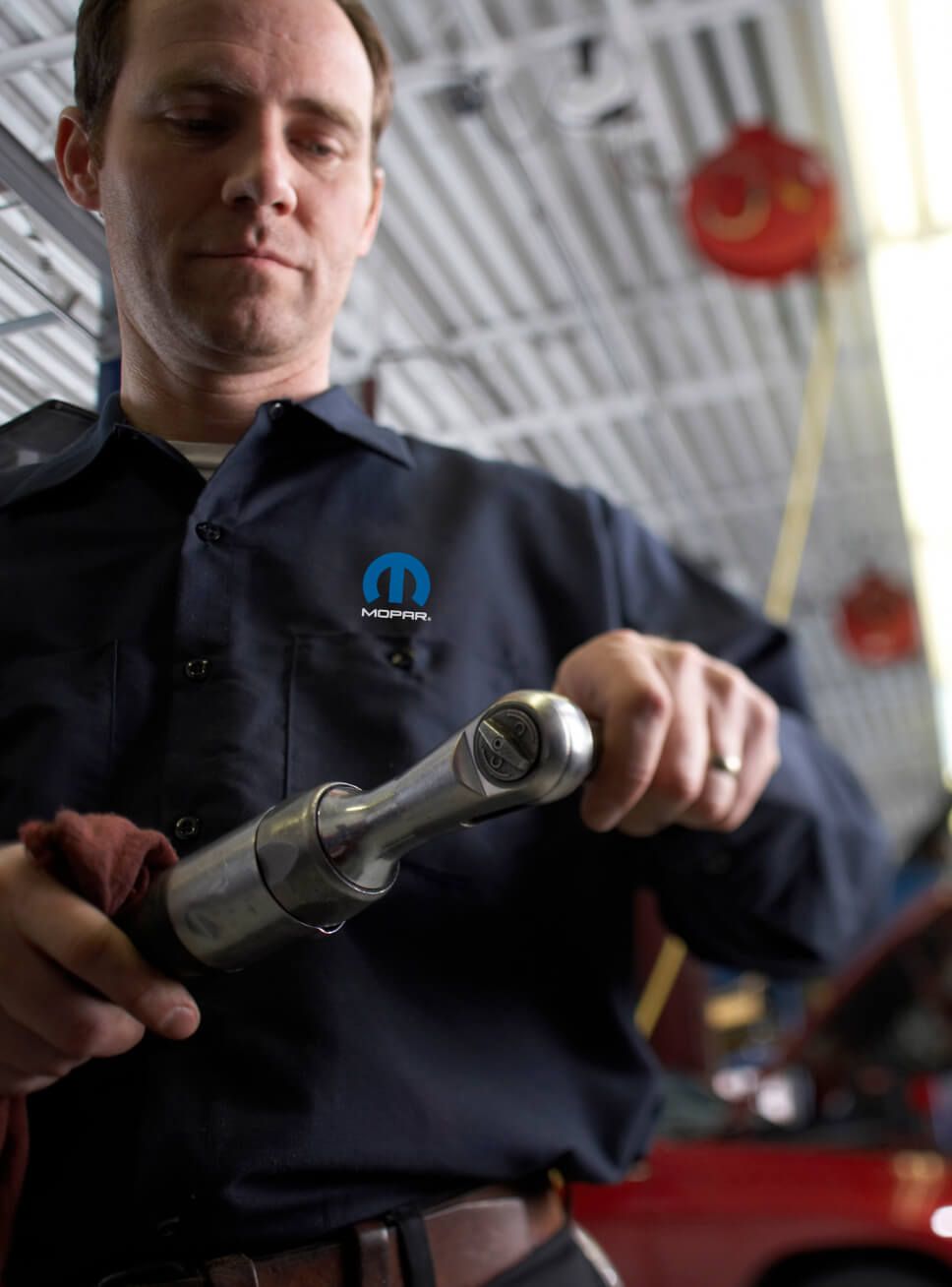
Let's say you do run into a factory defect or have other trouble while installing your air intake systems. For an aftermarket part, you're forced to scan through the third-party website for protection services or, more commonly, accept that you have no warranty and need to buy a new one.
Meanwhile, the Mopar Basic Limited Warranty remains one of the cornerstones of reliable protection for your Jeep SUV or truck. By default, the Mopar Basic Limited Warranty covers your part for two years (and unlimited miles).1 If you have the component installed at a dealership, that coverage extends to the labor and towing.1 But, unlike most other protection packages, you can benefit from the Mopar Basic Limited Warranty even when you install the part yourself.1
Jeep Parts OEM vs. Aftermarket: Reliability of Add-Ons
This guide has prioritized repair materials and components when talking about car parts. OEM vs. aftermarket components can also include add-ons, which may seem less important. Getting a third-party bike rack that fits your trailer hitch seems like it should work just fine, right?
Well, in most cases, going for an OEM solution is the best way to prevent any potential issues on your upcoming vacation. Let's say you decide that you want some more storage space on your Jeep Grand Cherokee, and take a look through our inventory of roof racks. You'll notice that, instead of having to carefully measure the top of your car and compare it to several different aftermarket distributors that list a range of roofs their part fits on, we offer separate parts and kits for dozens of models – and a Vehicle Fitment tool that ensures you're compatible.
That OEM vs. aftermarket car parts conclusion also applies to items like floor mats or cleaning supplies. Instead of doing detailed research or comparing and contrasting elements of each mat in a third-party inventory, let Mopar OEM stores simplify the process. Purchase a floor mat made in a factory to sit at the bottom of your Jeep Gladiator, eliminating the need for a measuring tape.
Explore OEM vs. Aftermarket Jeep Parts in Detail at Mopar OEM
Taking the time to consider an OEM vs. aftermarket Jeep parts guide means you're serious about the health of your truck or SUV. A premier fit made with factory-fresh materials awaits your order from our fully online store. Search by model or category to get started on your repair or upgrade journey. If you ever have questions about the component that you might need, our warranty policy, or approved labor locations, please feel free to contact us.
Frequently Asked Questions
What's the difference between OEM and aftermarket Jeep parts?
OEM Jeep parts were built in Jeep facilities and are designed to be perfect replacements for the model that you drive. Most also come with a two-year warranty, even if you install it yourself.1 In almost every case, aftermarket Jeep parts are made cheaply to fit dozens of cars rather than serve as a perfect match for your vehicle. You aren't guaranteed protection for these components.
Are OEM parts better than aftermarket for my Jeep?
Generally, OEM parts are of higher quality than aftermarket components for your Jeep. That's because they are specifically crafted for your exact vehicle, fitting alongside your other items and reducing overall wear. While aftermarket parts can often do the trick, they tend to have a shorter lifespan than Mopar OEM components, as they are designed for multiple automobiles. For more questions about our quality assurance process, contact us.
Why do OEM Jeep parts cost more?
Jeep OEM parts cost more than aftermarket ones due to their specific design, factory building process, and overall quality. Aftermarket items tend to be made cheaply, so they're more likely to break or not fit properly. You won't have to worry about that with Mopar OEM: We get our components right from Jeep manufacturing plants, so they match your other components perfectly.
1Warranties listed on this web page shall not be solely relied upon. Warranties may be subject to specific terms, restrictions, exclusions, and fees. Additional warranty information may be obtained by visiting the official website of the warranty provider. Contact our dealership for complete details.